
Home Loans for Self-Employed Australians
Being your own boss shouldn’t make buying a home harder, but it often does. Banks are used to payslips. When your income comes through a company, a trust, or a year that looks lumpy on paper, a standard credit assessment can understate what you really earn. We find the lenders whose policies fit how you’re actually paid.
What most lenders want
The usual starting point is:
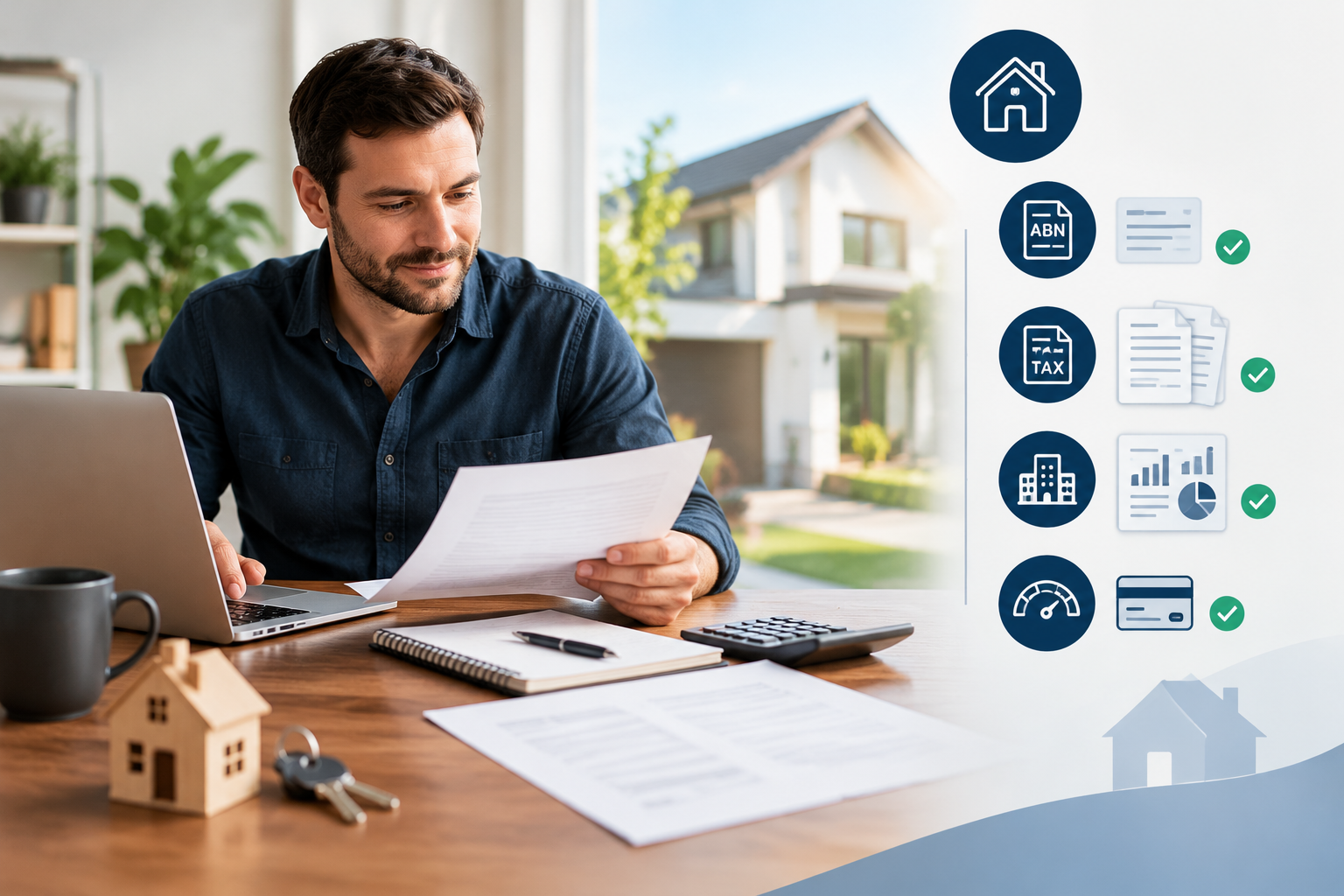
- an ABN registered for at least 2 years
- your last 2 years of personal tax returns and notices of assessment
- business tax returns or financial statements if you trade through a company or trust
- a clean credit history
Some lenders accept 1 year of tax returns if you were in the same industry, as an employee, before going out on your own. A broker knows which ones.
Making your income count
Your taxable income isn’t always your real income. Good accountants minimise tax, and that can hurt your borrowing power. Many lenders “add back” certain expenses when they assess you, such as depreciation, interest on loans being refinanced, one-off costs and extra super contributions. Knowing which lender adds back what can make a large difference to how much you can borrow.
All lenders must still test whether you could afford repayments if rates rose. APRA currently requires a buffer of 3 percentage points above the loan rate for that test.

Low doc home loans
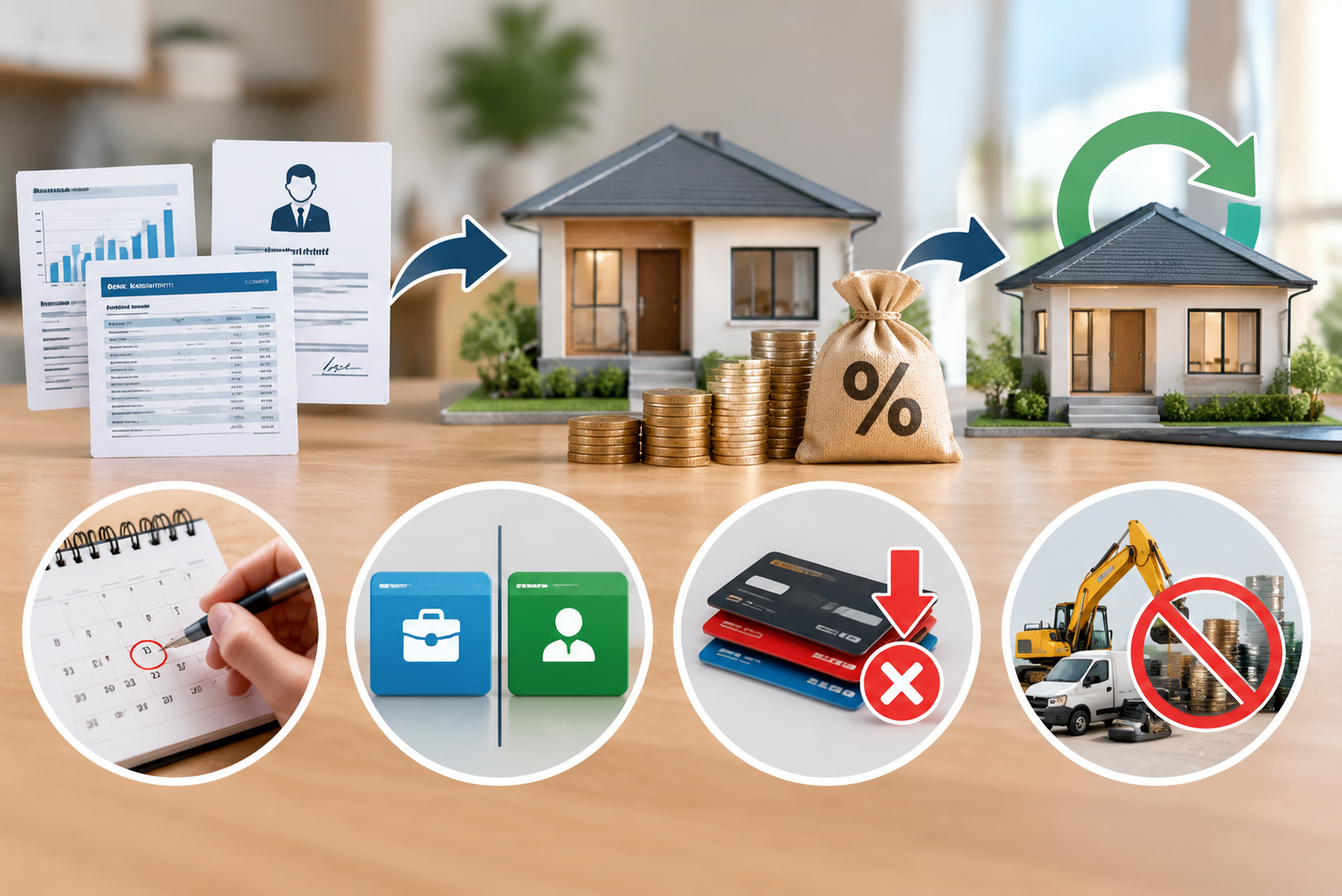
If your tax returns aren’t lodged or don’t reflect current earnings, a low doc loan uses other proof instead: BAS statements, business bank statements, or an accountant’s letter confirming your income. These are mostly offered by non-bank lenders, usually need a bigger deposit, and can cost more. They can also be a stepping stone: once your financials catch up, we can refinance you to a full doc loan.
Tips before you apply
- Lodge your tax returns, even if late. Recent figures carry weight.
- Keep business and personal spending in separate accounts.
- Pay down or close credit cards you don’t use; lenders count the full limit, not the balance.
Avoid big new business debts in the months before applying.
Self-Employed Home Loan: frequently asked questions
How long do I need to be self-employed to get a home loan?
Many lenders want two years of tax returns, but some will accept one year of ABN trading and one year of financials, particularly if you worked in the same industry before going out on your own.
Can I get a home loan if my tax returns aren't lodged?
Possibly, through a low doc home loan, where your income is verified with BAS statements, business bank statements or an accountant’s declaration. Expect to need a larger deposit, and sometimes a slightly higher rate.
Will lenders use my latest year's income?
Some lenders average your last two years, while others will use the most recent year if your income has gone up. Choosing the right lender can change how much you can borrow.
Can depreciation and one-off expenses be added back?
Many lenders add back non-cash and one-off items such as depreciation, a one-off large expense, or interest on loans that will be paid out, which can increase your assessable income.
Related finance options
Not quite the right fit? These pages cover options that often suit people in a similar position:
- Home loan refinance broker
- Home loans for visa holders
- Low doc truck finance
- Small business overdraft & line of credit
Prefer to talk it through? Book a free consultation or call +61 405 142 021.